'Miracle' baby found alive after 12 hours in morgue

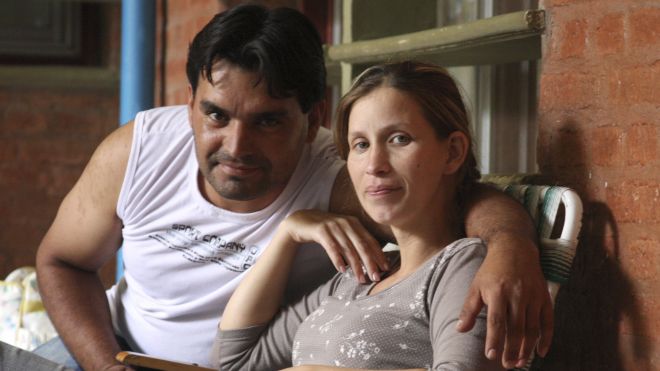 A baby found alive in a coffin in an Argentine morgue nearly 12 hours after the girl had been declared dead is improving, but questions remain for the hospital responsible for the near-fatal mistake.
The mother, Analia Bouter, says she fell to her knees in shock after finding her baby alive in a coffin.
Bouter named her newborn Luz Milagros, or "Miracle Light." The tiny girl, born three months premature, was in critical but improving condition Wednesday in the same hospital where the staff pronounced her stillborn on April 3.
The case became public Tuesday when Rafael Sabatinelli, the deputy health minister in the northern province of Chaco, announced in a news conference that five medical professionals involved have been suspended pending an official investigation.
Bouter told the TeleNoticias TV channel in an interview Tuesday night that doctors gave her the death certificate just 20 minutes after the baby was born, and that she still hasn't received a birth certificate for her tiny girl.
'Stillborn' Baby Found Alive in Morgue
Bouter said the baby was quickly put in a coffin and taken to the morgue's refrigeration room. Twelve hours passed before she and her husband were able to open the coffin to say their last goodbyes.
She said that's when the baby trembled. She thought it was her imagination
Related Stories

Virat Kohli's Cricket Legacy: Individual Excellence in Collective Sport
Virat Kohli's cricket career represents one of sport's most sustained examples of individual excellence achieving institutional dominance. From mercurial young batsman with technical flaws to disciplined master accumulat...

Tier-1 City Problems: Congestion, Pollution, Infrastructure Limits
Delhi's air quality deteriorates into hazardous territory with seasonal regularity. During winter months, Air Quality Index readings frequently exceed 400—well into the "hazardous" range where outdoor activity becomes me...

The New Indian Middle Class: Aspirations, Anxieties, Consumption
India's middle class—roughly 250-350 million people with annual household incomes between ₹10 and ₹50 lakh—represents a purchasing power that shapes entire economies. Yet their consumption patterns reveal a psychology di...